Yearbook portraitYearbook

Frontal portraits, 1905–2013: covariate and concept drift, measured by accuracy.

// 01  the dataset

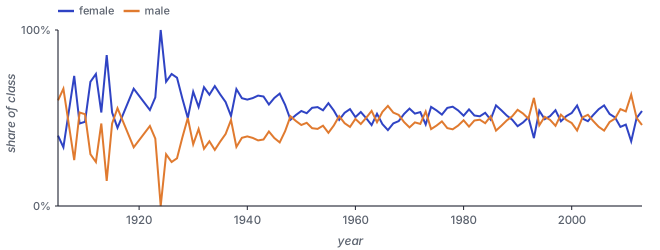
Yearbook is a collection of American high-school yearbook portraits. We use 37,921 frontal photos from to , each labelled male or female, with the two classes roughly balanced over time.

The target (the male/female label) is held fixed, so the temporal signal is dominated by covariate and concept drift: hairstyles, eyewear, framing, and photographic process drift steadily across the century, with the sharpest stylistic break around the mid-century decades. The benchmark asks whether a model trained on portraits up to one year still recognises portraits from later years.
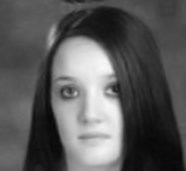
Yearbookimages
input a high-school portrait photo
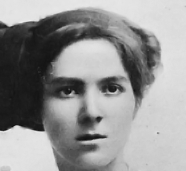
1912 portrait
1912
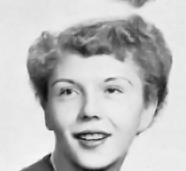
1955 portrait
1955
2008 portrait
2008
predict male or female femalemale

a single binary label

what changes how people look: hairstyles, fashion, photo quality
19052013

104 yearly slices

scored by accuracydataset source ↗

Exploratory analysis

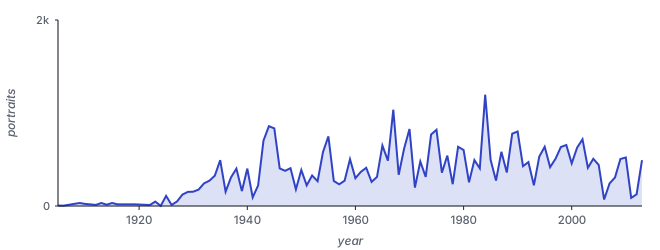
Portraits per year: coverage is sparse before the 1950s and dense afterwards.
The female / male share over time, a source of label drift.
The average portrait per decade
The mean portrait per decade (1910s to 2010s): averaging every face exposes how hairstyles, framing, and contrast drift across the century.

// 02  the models

Yearbook is evaluated with 21 models: twelve trained end to end from raw pixels (four families at three sizes) and nine frozen pretrained vision encoders, each fitted with a single linear head. The drift matrices report all 21 models across every training cutoff.
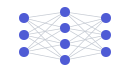

MLP pixels as an unordered vector
3 models
CNN / ResNet locality and translation invariance
6 models
ViT patches compared by self-attention
3 models
Frozen features from a frozen pretrained encoder
9 models

Trained end-to-end

portraitnetworkMLP / CNN / ResNet / ViTtrainedlinear headtrainedmale / female

Frozen pretrained encoders

portraitvision encoderDINOv2, CLIP, SigLIP, …frozenlinear headtrainedmale / female